About us

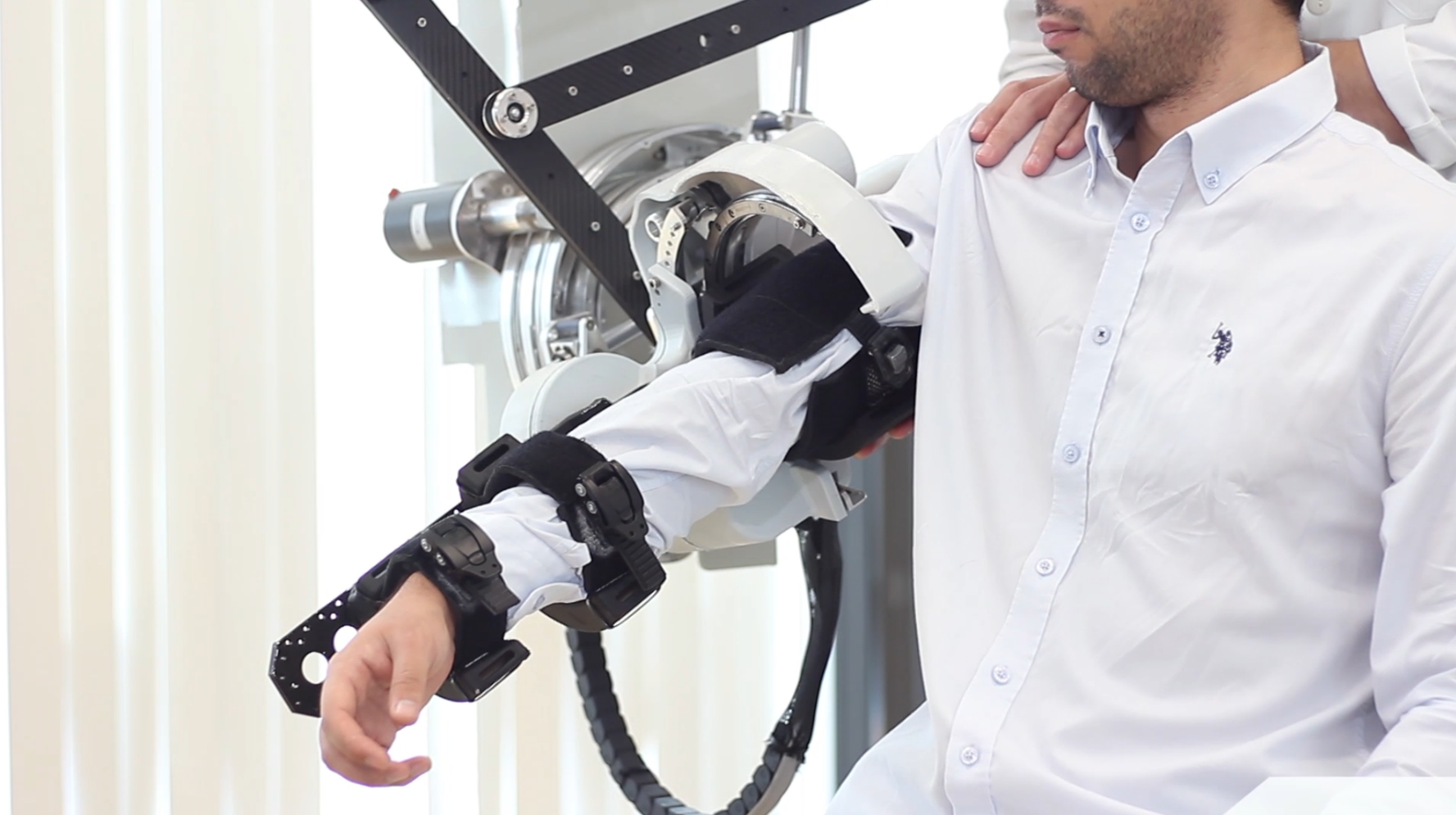
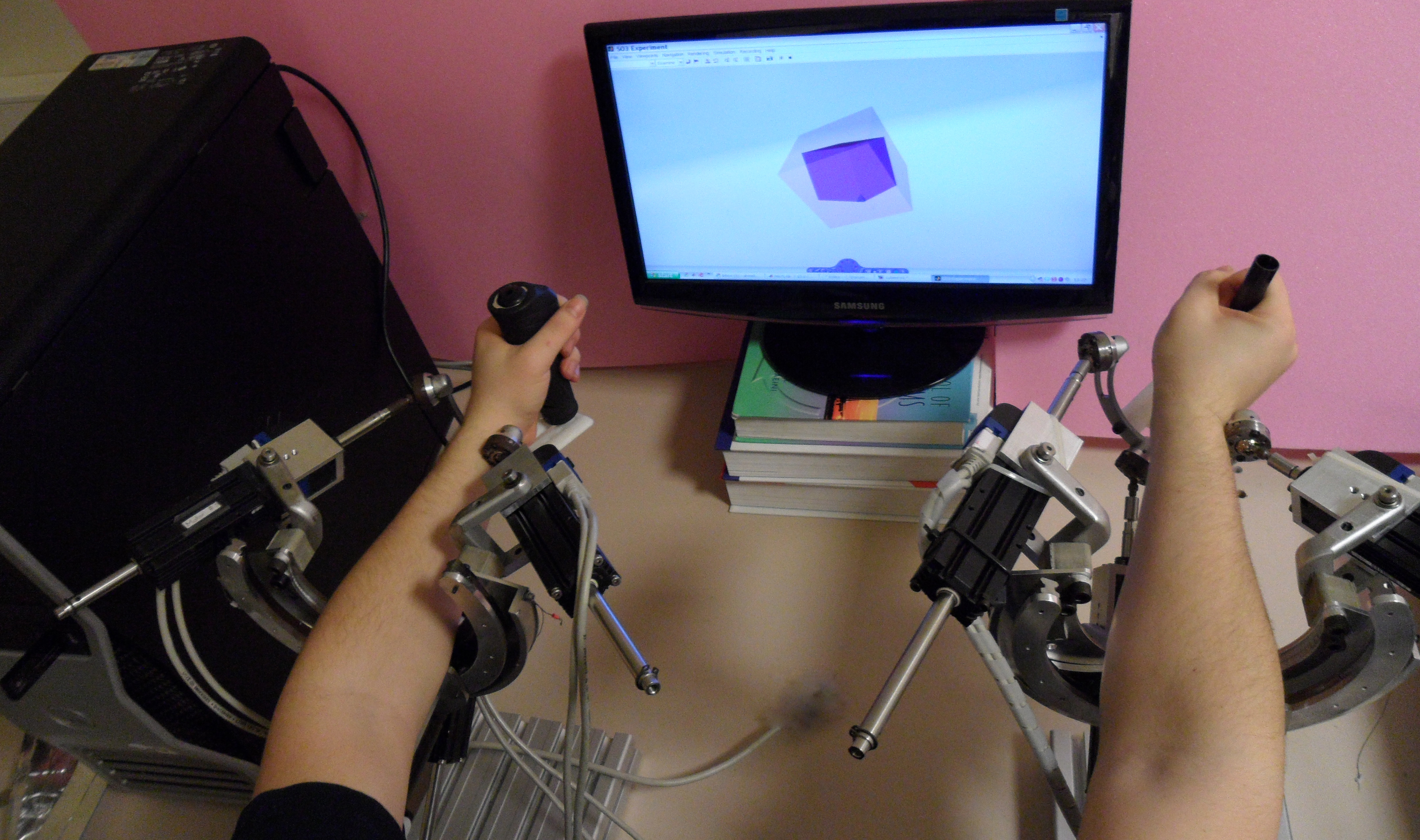
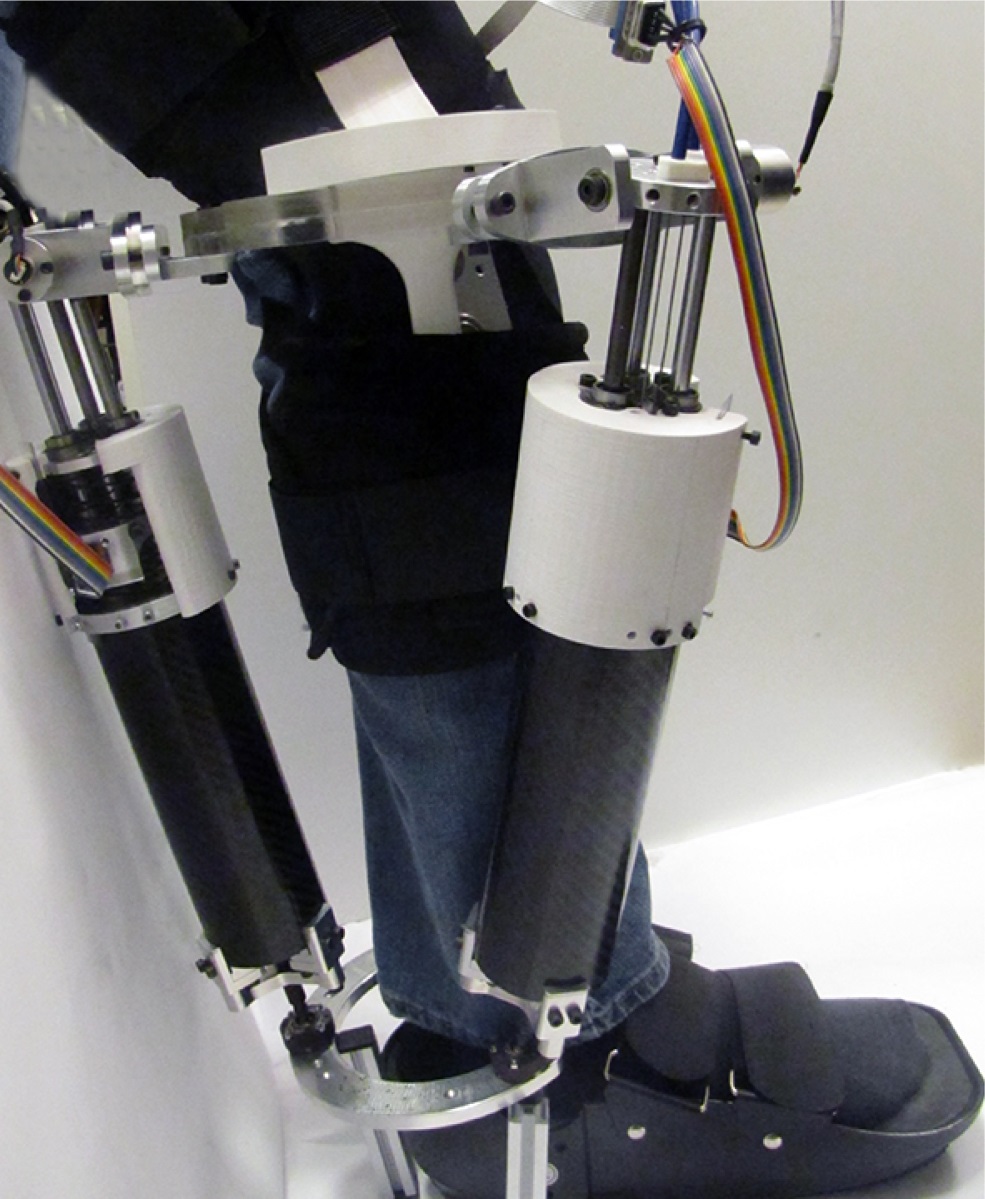
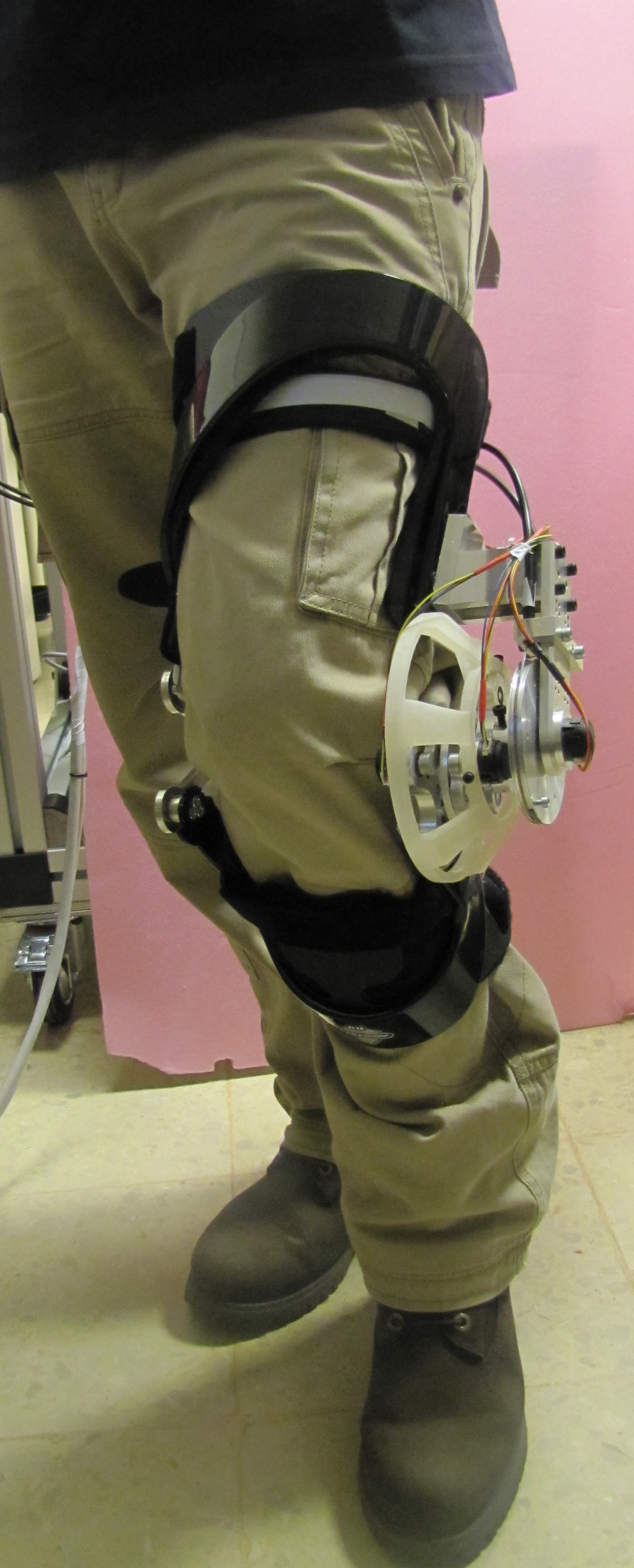
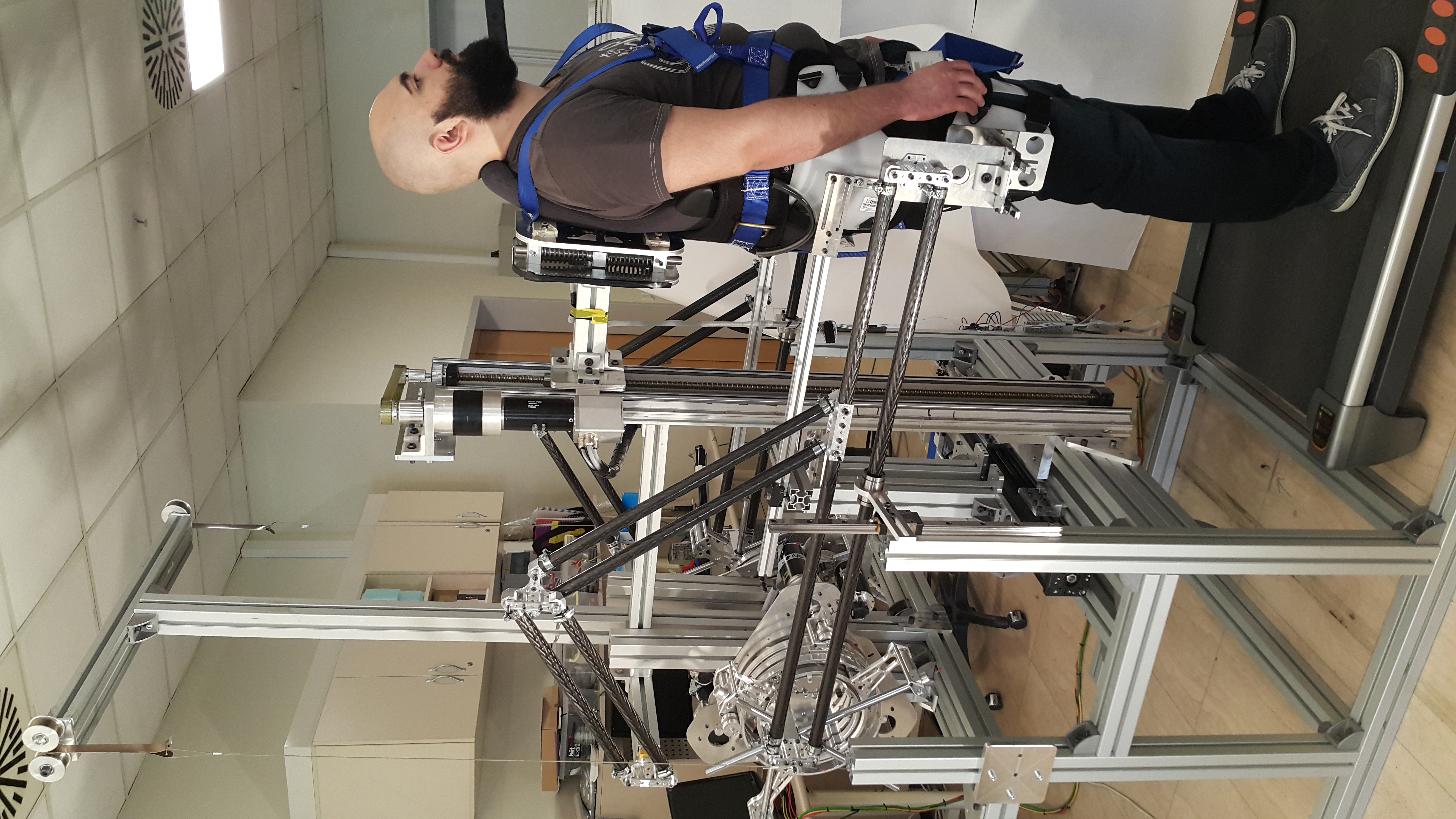
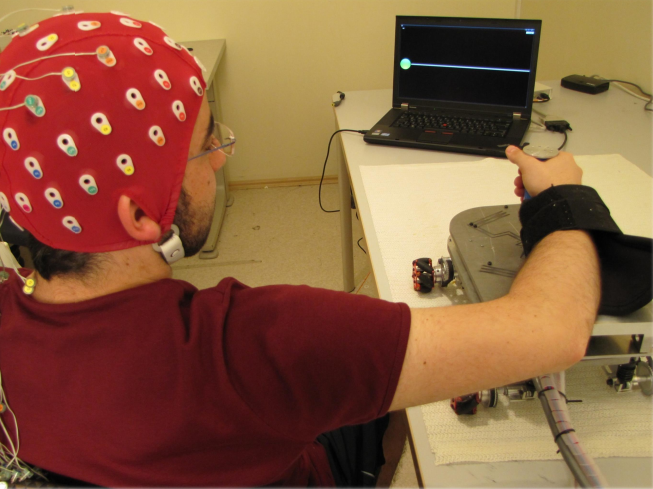
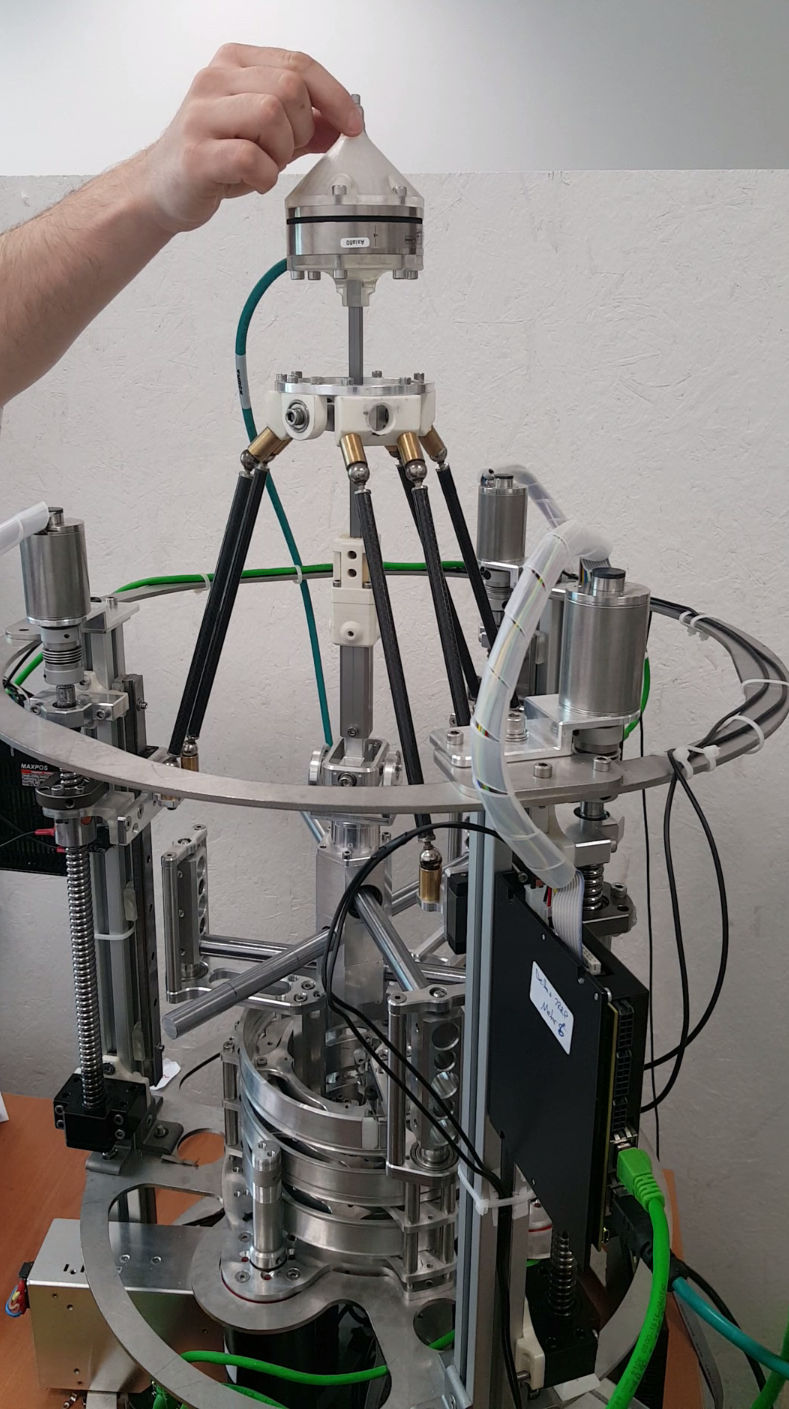
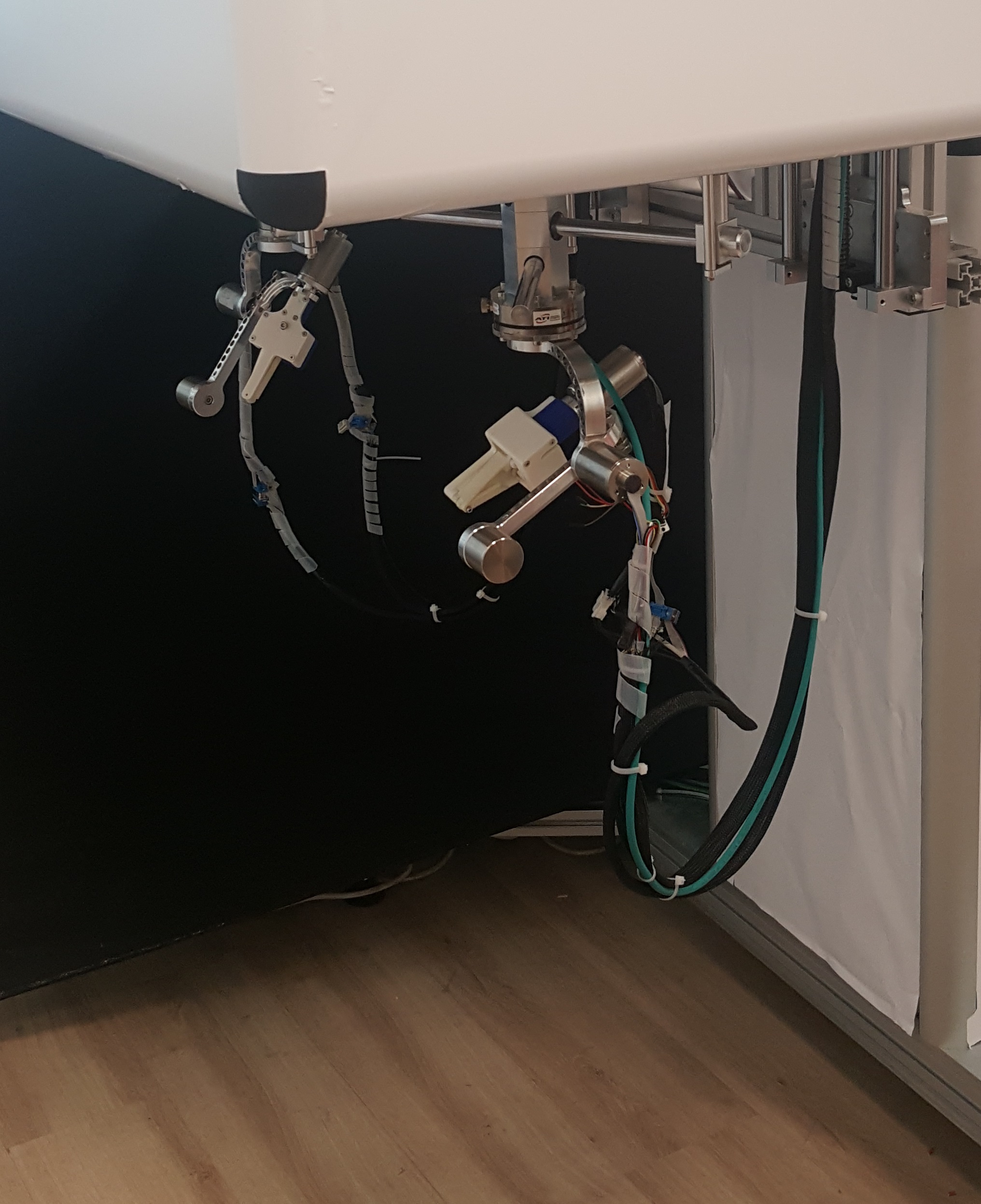
Human-computer and human-robot interactions are becoming increasingly common thanks to the rapid integration of computer controlled mechanical systems into everyday life. The increase in sophistication of man-machine interfaces and the necessity to engage all sensory modularities to produce better “immersion” strongly motivate the study of physical interaction with virtual environments. Haptic interfaces, force feedback robotic devices, allow users to mechanically interact with computationally mediated environments. Our research concentrates on the synthesis of high fidelity haptic feedback as well as the design and analysis of haptic interfaces from a systems and controls perspective, with a focus on the underlying hybrid dynamical nature of mechanical interaction. We also concentrate on addressing the challenges of developing a control theoretical framework for human senorimotor learning through empirical investigation of internal model formation during motor skill acquisition.

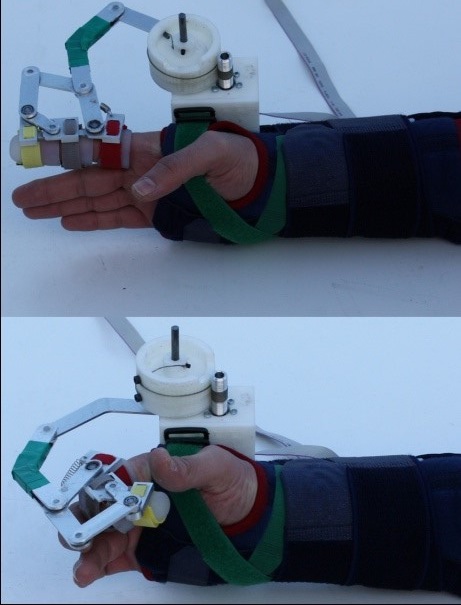
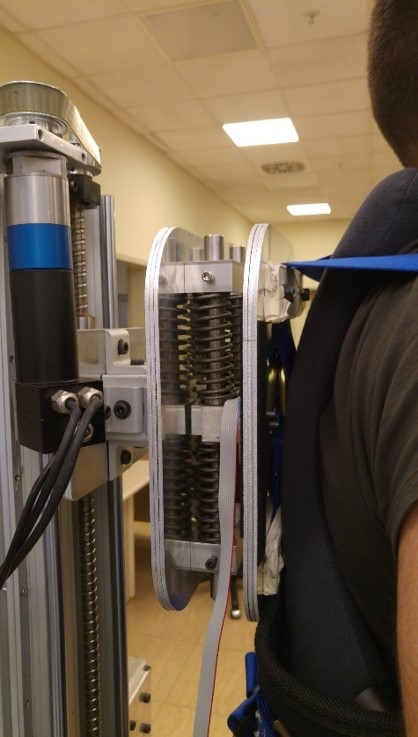
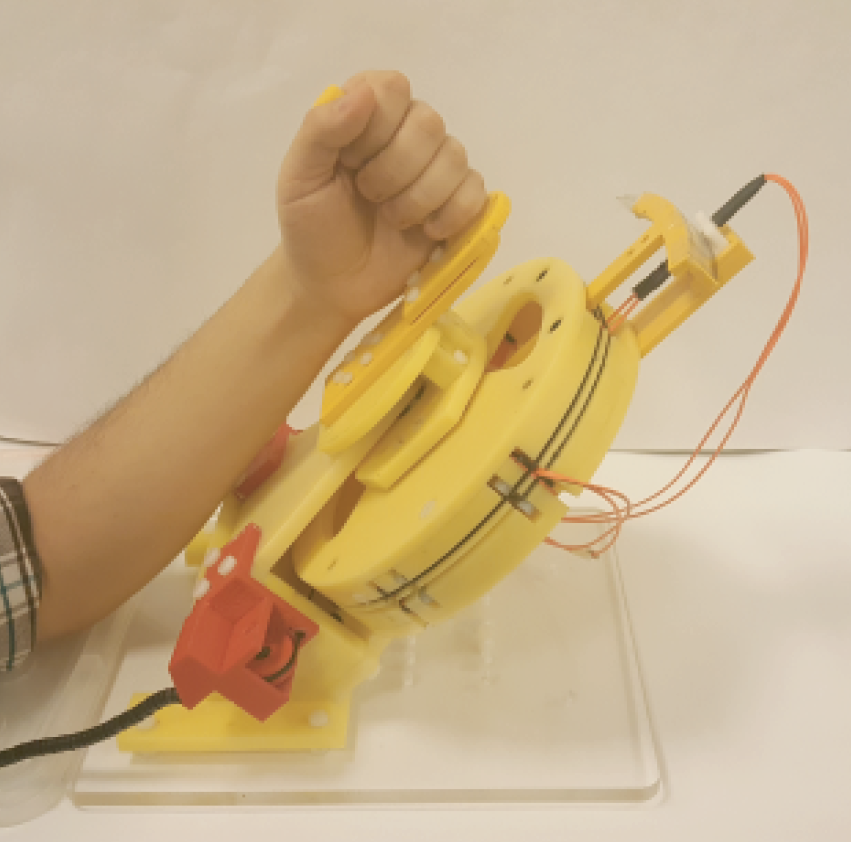
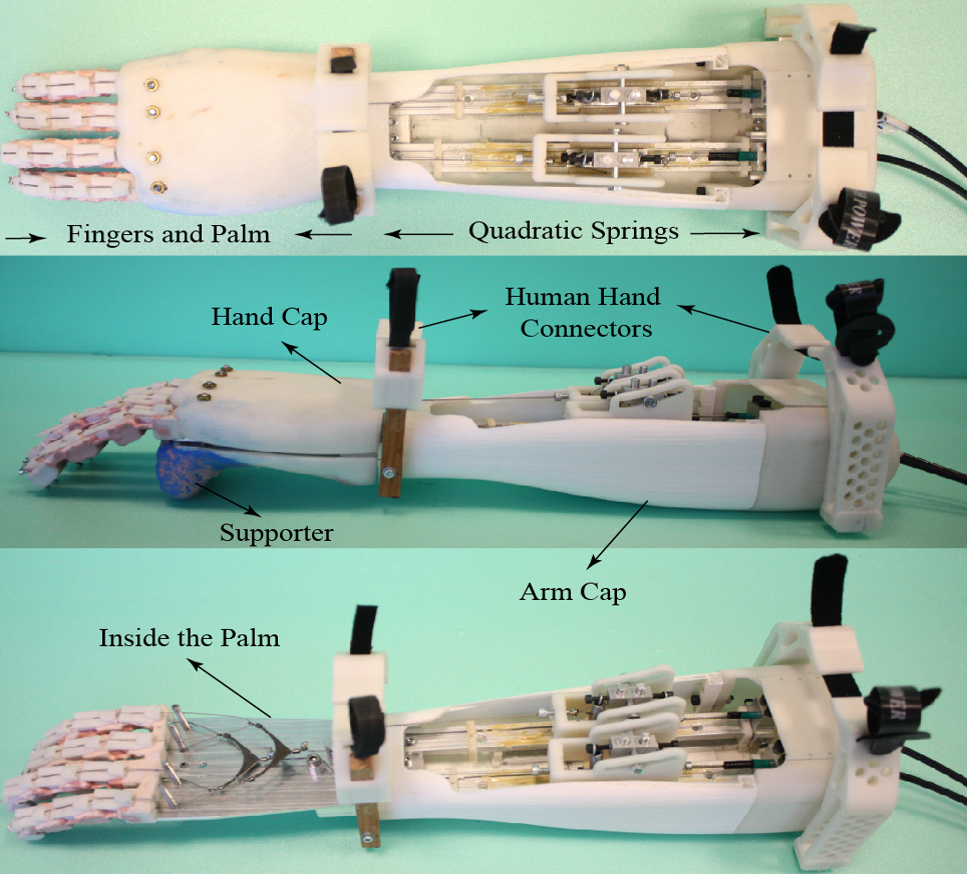
Our primary focus area is haptic rendering with applications in rehabilitation and manual task training (including flight and surgery training). We are also interested in teleoperation and utilizing shared control architectures for cooperation between humans to achieve a common task as well as for augmentation of human capabilities, as in robot assisted surgery and space exploration. “Steer-by-wire” and “fly-by-wire” type concepts are other motivating applications of our research where traditional direct mechanical controllers are replaced by their enhanced electronic implementations.

Our research contributes to the fields of robotics, nonlinear controls, multibody dynamics, hybrid systems and basic science. We develop theoretical tools for the nonlinear controls theory and the emerging field of hybrid systems. In order to study theoretical aspects of human-robot interaction, adaptive and hybrid system models are of high interest to us since these models are capable of capturing the change in contact conditions, the phenomena that generate arguably the most important (and often most easily perceived) features of mechanical interaction.

Research Projects

<span property="dc:date" content="2011-01-13 04:20:28" resource="http://hmi.sabanciuniv.edu/?p=479" /><span rel="http://hmi.sabanciuniv.edu/?p=479" property="dc:title" resource="http://hmi.sabanciuniv.edu/?p=479">Friction Rendering of Parametric Surfaces</span> <span property="dc:date" content="2010-08-30 14:02:26" resource="http://hmi.sabanciuniv.edu/?p=324" /><span rel="http://hmi.sabanciuniv.edu/?p=324" property="dc:title" resource="http://hmi.sabanciuniv.edu/?p=324">Design and Implementation of Robotic Devices for Rehabilitation</span> <span property="dc:date" content="2010-08-30 14:01:42" resource="http://hmi.sabanciuniv.edu/?p=321" /><span rel="http://hmi.sabanciuniv.edu/?p=321" property="dc:title" resource="http://hmi.sabanciuniv.edu/?p=321">Modeling of Human Motor Control and Learning</span> <span property="dc:date" content="2010-08-30 14:00:47" resource="http://hmi.sabanciuniv.edu/?p=318" /><span rel="http://hmi.sabanciuniv.edu/?p=318" property="dc:title" resource="http://hmi.sabanciuniv.edu/?p=318">Haptic Rendering of Parametric Surfaces</span> <span property="dc:date" content="2010-08-30 13:59:44" resource="http://hmi.sabanciuniv.edu/?p=315" /><span rel="http://hmi.sabanciuniv.edu/?p=315" property="dc:title" resource="http://hmi.sabanciuniv.edu/?p=315">Modeling, Simulation, Control and Estimation of Switching (Hybrid) Dynamical Systems</span> <span property="dc:date" content="2010-08-30 13:58:35" resource="http://hmi.sabanciuniv.edu/?p=311" /><span rel="http://hmi.sabanciuniv.edu/?p=311" property="dc:title" resource="http://hmi.sabanciuniv.edu/?p=311">Merging Symbolic and Numerical Methods to Enable Interactive Multibody Dynamics</span> <span property="dc:date" content="2010-08-30 13:57:21" resource="http://hmi.sabanciuniv.edu/?p=308" /><span rel="http://hmi.sabanciuniv.edu/?p=308" property="dc:title" resource="http://hmi.sabanciuniv.edu/?p=308">Applying Controls Theory to a Class of Computational Geometry Problems</span> <span property="dc:date" content="2010-08-30 13:56:07" resource="http://hmi.sabanciuniv.edu/?p=305" /><span rel="http://hmi.sabanciuniv.edu/?p=305" property="dc:title" resource="http://hmi.sabanciuniv.edu/?p=305">Addressing Current Challanges in Bilateral Control</span> <span property="dc:date" content="2010-08-30 13:54:01" resource="http://hmi.sabanciuniv.edu/?p=301" /><span rel="http://hmi.sabanciuniv.edu/?p=301" property="dc:title" resource="http://hmi.sabanciuniv.edu/?p=301">Bilateral Control in Tele-Nanomanipulation Systems</span>

Search this site

Translate